
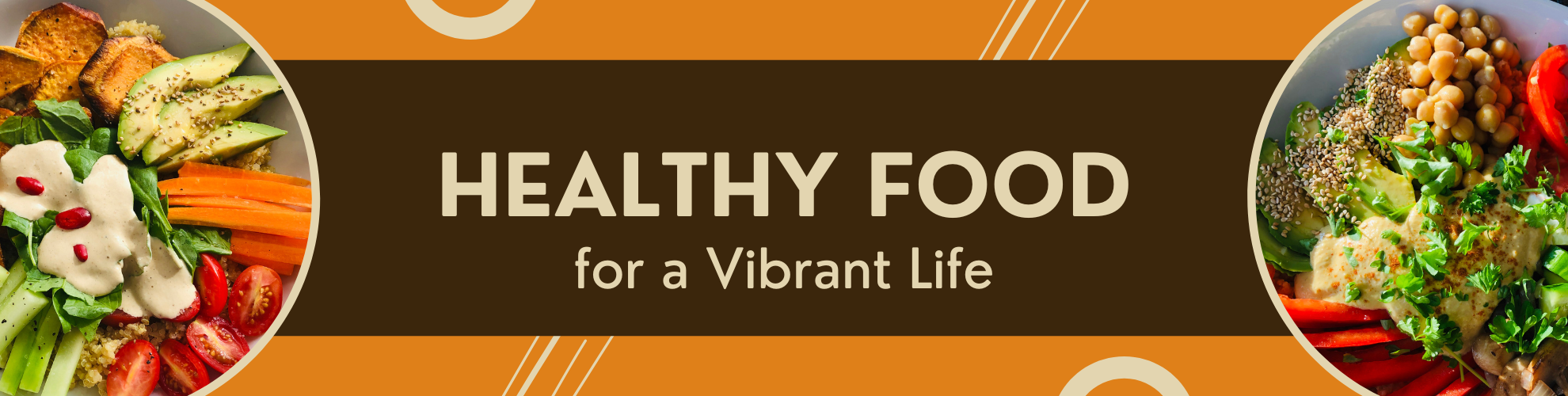
Healthy eating is one of the most important habits you can develop for a happier and healthier life. The food we eat affects our energy levels, physical health, mental well-being, and overall quality of life. In today’s fast-paced world, many people rely on processed foods and sugary snacks because they are convenient. However, making healthier food choices doesn’t have to be difficult or expensive.
This guide will help you understand the basics of healthy eating, the importance of a balanced diet, the best foods to include in your daily meals, and practical tips for maintaining healthy eating habits. Whether you’re trying to improve your fitness, lose weight, or simply feel better every day, healthy eating is the foundation of a better lifestyle.
What Is Healthy Eating?
Healthy eating means consuming a variety of nutritious foods that provide your body with the vitamins, minerals, protein, carbohydrates, healthy fats, and fiber it needs to function properly. A balanced diet includes fresh fruits, vegetables, whole grains, lean proteins, dairy products, nuts, seeds, and healthy oils.
Healthy eating is not about strict dieting or giving up your favorite foods forever. Instead, it focuses on moderation, balance, and making smarter choices that support long-term health.
Why Healthy Food Matters
The food you eat plays a major role in maintaining your overall health. Eating nutritious meals regularly offers several benefits, including:
- Improves energy levels throughout the day.
- Supports a stronger immune system.
- Helps maintain a healthy body weight.
- Reduces the risk of heart disease and diabetes.
- Improves digestion and gut health.
- Promotes better concentration and memory.
- Supports healthy skin, hair, and nails.
- Increases overall life expectancy.
A healthy diet combined with regular physical activity creates the perfect foundation for a healthy lifestyle.
Essential Nutrients Your Body Needs
1. Protein
Protein helps build and repair muscles, tissues, and organs. Good sources include:
- Eggs
- Chicken
- Fish
- Lentils
- Beans
- Greek yogurt
- Tofu
2. Carbohydrates
Carbohydrates provide energy for daily activities. Choose complex carbohydrates over refined sugars.
Healthy carbohydrate sources include:
- Brown rice
- Oats
- Whole wheat bread
- Sweet potatoes
- Quinoa
.
3. Healthy Fats
Healthy fats support brain function and heart health.
Examples include:
- Avocados
- Olive oil
- Almonds
- Walnuts
- Chia seeds
- Flaxseeds
4. Vitamins and Minerals
These nutrients help maintain healthy bones, skin, immunity, and metabolism.
Eat plenty of:
- Leafy green vegetables
- Citrus fruits
- Berries
- Carrots
- Tomatoes
- Bell peppers
5. Fiber
Fiber improves digestion and keeps you feeling full longer.
Foods rich in fiber include:
- Apples
- Pears
- Oats
- Beans
- Broccoli
- Whole grains
Best Healthy Foods to Include Daily
Here are some nutritious foods that deserve a place in your daily diet:
Fresh Fruits
Fruits provide natural sugars, vitamins, antioxidants, and fiber.
Popular choices:
- Apples
- Bananas
- Oranges
- Blueberries
- Papaya
- Mangoes
Green Vegetables
Vegetables are low in calories but rich in nutrients.
Best options include:
- Spinach
- Broccoli
- Kale
- Cabbage
- Cauliflower
- Green beans
Whole Grains
Whole grains provide lasting energy and support digestive health.
Examples:
- Brown rice
- Oats
- Whole wheat pasta
- Quinoa
Lean Protein
Choose healthier protein sources such as:
- Fish
- Chicken breast
- Turkey
- Eggs
- Beans
- Lentils
Dairy Products
Low-fat dairy provides calcium and protein.
Include:
- Milk
- Yogurt
- Cottage cheese
Foods You Should Limit
While occasional treats are perfectly fine, try to reduce the intake of:
- Sugary drinks
- Soft drinks
- Candy
- Fast food
- Deep-fried foods
- Processed snacks
- Packaged desserts
- Excess salt
- Refined sugar
Replacing unhealthy snacks with fruits, nuts, or yogurt is a simple step toward better nutrition.
Healthy Eating Tips
Making healthier food choices doesn’t require dramatic changes.
Follow these simple habits:
Drink Plenty of Water
Aim for 8–10 glasses of water daily to stay hydrated.
Eat More Vegetables
Try filling half your plate with vegetables during lunch and dinner.
Control Portion Sizes
Eating slowly helps you recognize when you’re full.
Avoid Skipping Breakfast
A nutritious breakfast improves focus and provides energy for the day.
Plan Your Meals
Preparing meals in advance reduces the temptation to eat unhealthy foods.
Read Food Labels
Choose products with fewer added sugars and lower sodium levels.
Conclusion
Healthy eating is one of the most valuable investments you can make in yourself. By choosing nutritious foods, staying hydrated, and maintaining balanced eating habits, you can improve your physical health, mental well-being, and overall quality of life.
Remember, every healthy meal is a step toward a stronger body and a healthier future. Start with small changes today, stay consistent, and enjoy the long-term benefits of nourishing your body with wholesome foods.